Skip to content
MANAGING GORSE
LEARNING HUB
COMMUNITY PROJECTS
NEWS
FAQs
ABOUT VGT
CONTACT
MANAGING GORSE
LEARNING HUB
COMMUNITY PROJECTS
NEWS
FAQs
ABOUT VGT
CONTACT
Return to Map
Select Infestation Size
Light
Medium
Heavy
Select Treatment Type
Herbicidal Control
Mechanical Control
Alternative Methods
Strategic Approach
Before treating gorse, it is important to plan out your approach. Consider your landscape, the time of year and the amount of time and money you can spend.
Read More
Minimise Disturbance
Gorse establishes more readily after it has been disturbed. Gorse establishes more readily after a flood, fire or when soil is disturbed through cultivation or erosion.
Read More
Discussion with Other Land Managers
Talking to and working in partnership with neighbours and other private and public land managers can spread the workload and cost of gorse control.
Read More
Revegetation
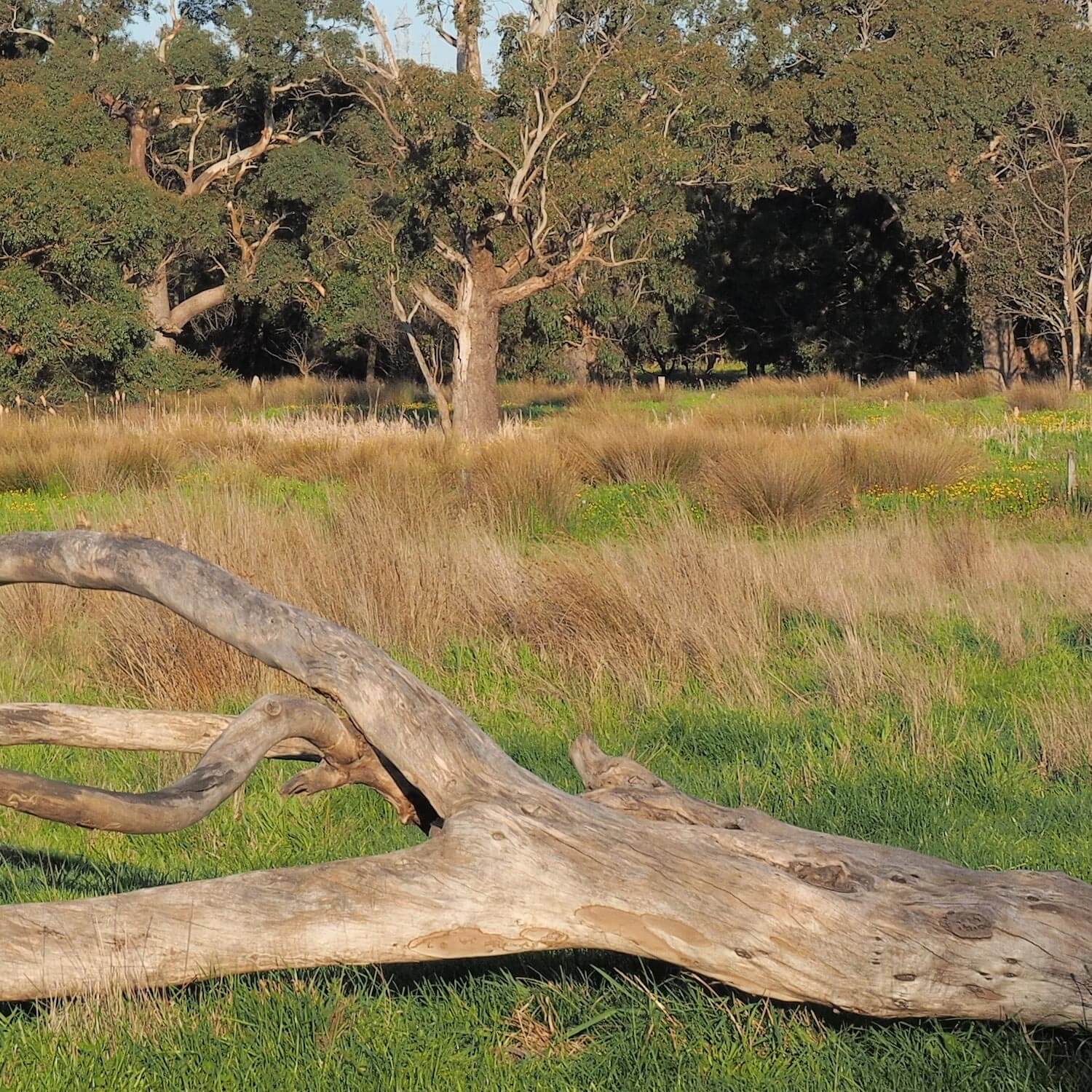
Other vegetation including trees that provide canopy cover will compete with gorse to inhibit its growth or re-establishment.
Read More
Pasture Management
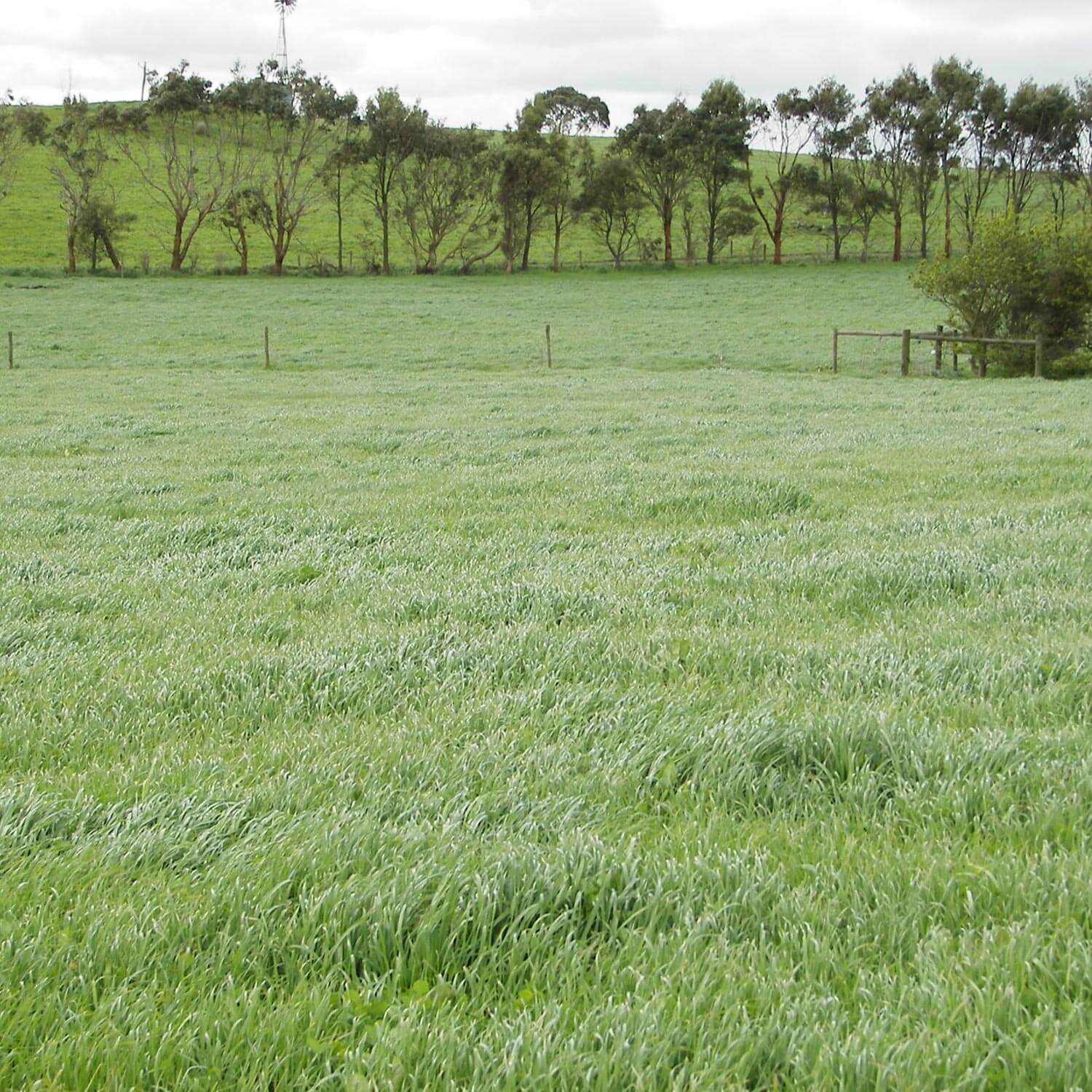
Healthy pastures, particularly grass-based pastures, compete against gorse seedlings. Establishing and maintaining healthy pasture with minimal soil disturbance is important because disturbing the soil, such as through ploughing or fire, can encourage gorse growth.
Read More
BioControl
Biocontrol uses natural enemies of gorse to control the weed. Biocontrol agents released in Victoria to date include the gorse soft shoot moth, gorse seed weevil, gorse spider mite and gorse thrips.
Read More
Grazing
Grazing sheep and goats on your land can help control gorse. While sheep will not eat gorse seedlings over their head height, goats will, and goats can effectively keep gorse in check (depending on the size of your gorse infestation and the number of goats). Fencing must be secure, and you must provide adequate water, alternative food sources and care for any livestock.
Read More
Burning
Burning is useful for removing dead gorse treated by herbicide to improve access for follow-up treatment. However, fire can also regenerate gorse seeds in soil, so follow-up treatment is vital.
Read More
Grooming / Mulching
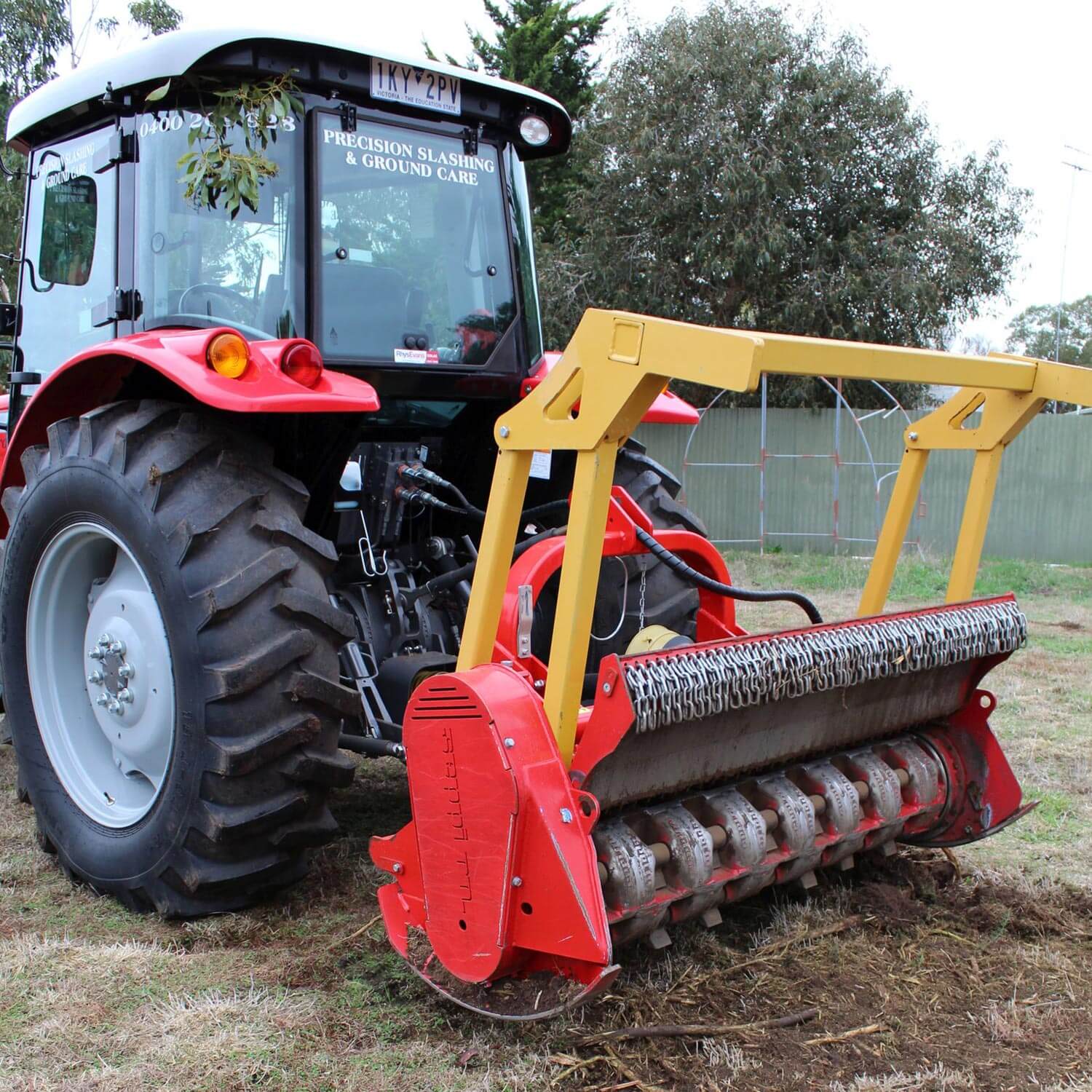
Grooming or mulching involves cutting the gorse into pieces using a mulching head, hammer hill, groomer or similar attached to an excavator or an articulated arm on a backhoe.
Read More
Slashing
Slashing uses a large mechanical cutter attached to a tractor to reduce the body of gorse. Slashing works best for large gorse patches although it is not suitable for large mature woody gorse because of physical design limitations. The slasher will not reach gorse below the slasher cutting level and slashing can encourage gorse to flower and seed at lower height levels.
Read More
Boom Spraying
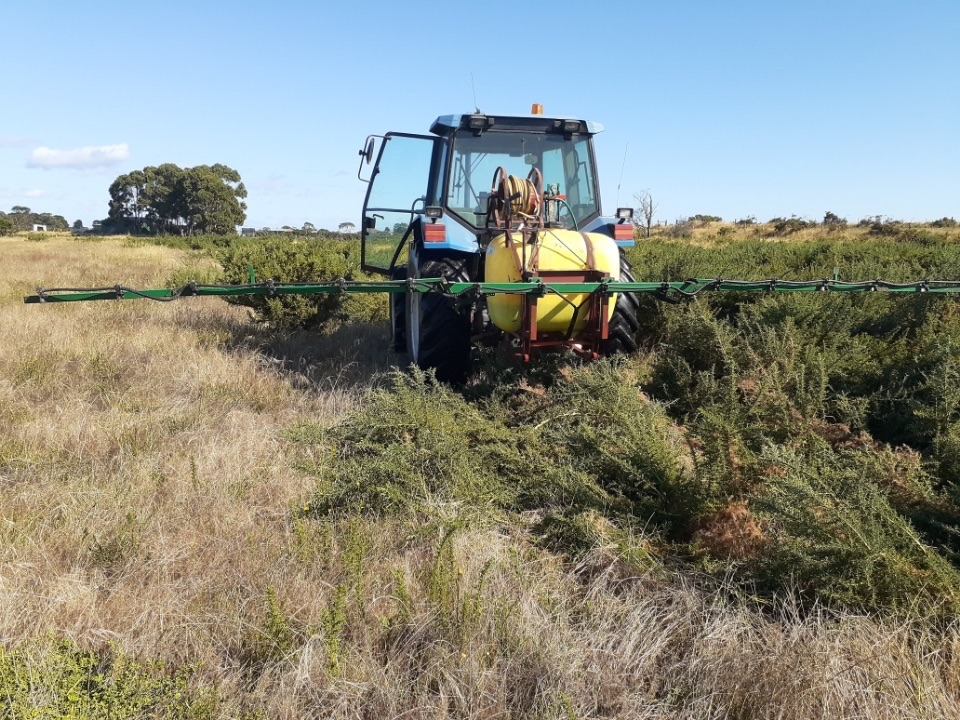
Boom spraying uses a long sprayer arm attached to a tractor or vehicle to treat large areas with gorse in a short time. Boom spraying is best for treating regrowth if you have already treated a large area of gorse. Not all herbicides can be sprayed with a boom spray because of the ‘blanket coverage’ it provides.
Read More
Backpack Spraying
Backpack spraying involves diluting a registered herbicide with water and wetting the entire gorse plant using a backpack spray pump pack. If you’re not confident with backpack spraying, you can contact a commercial contractor.
Read More
Foliar High-Volume Spraying
Foliar high-volume spraying involves completely wetting the entire gorse plant with a high volume of water mixed with a registered herbicide.
Read More
Cut & Paint
To cut and paint gorse involves sawing or lopping the stems as close to the ground and as cleanly as possible and immediately treating the stump with a registered herbicide – within 20 seconds for the best results.
Read More